Plan the photo sequence like a viewing
Start with the strongest wide image, then show living area, kitchen, bedrooms, bathrooms, balcony, view, storage, parking, building entrance, facilities, and nearby context. Avoid repeating the same corner five times. Buyers want to understand flow, light, condition, and scale.
Write copy that answers the next question
Strong listing copy includes project or neighborhood name, usable area, bedrooms, bathrooms, floor, furnishing, parking, maintenance fees where relevant, pet rules, transit access, viewing availability, ownership notes, and what is included in the sale. Specific facts reduce back-and-forth and improve buyer confidence.
Show the lifestyle without hiding the property
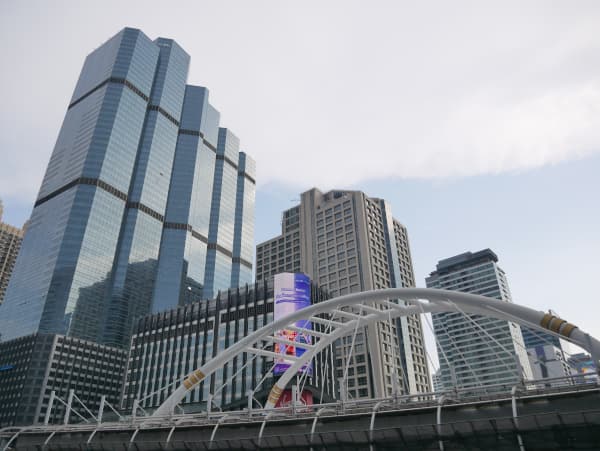
Neighborhood context matters, especially for foreign buyers or relocating families, but the property must stay the main subject. Use nearby BTS/MRT, schools, hospitals, parks, groceries, offices, and expressways as supporting detail. The more expensive the property, the more buyers expect complete evidence.
A meaningful listing helps buyers decide whether to visit. Better trust before the viewing usually means fewer wasted appointments and stronger offers.
Comparison
Weak Listing vs Buyer-Ready Listing
Weak listing
Best use: May be fast to publish.
Watch out: Missing photos, vague location, hidden defects, and thin copy create low-quality inquiries.
Buyer-ready listing
Best use: Shows layout, condition, building, view, access, nearby transport, and ownership facts clearly.
Watch out: Takes more preparation before launch.
Overproduced listing
Best use: Can make a premium home feel polished.
Watch out: Heavy editing or unrealistic angles can disappoint buyers during viewings.
More seller guides